🌞 Spring Blackmouth Setup Guide — Puget Sound 2026
What You're Fishing For
Spring blackmouth are resident Chinook salmon that stay in Puget Sound year-round rather than migrating to the ocean. They typically run 4-10 lbs, with occasional fish pushing 15. They're feeding actively on herring and sand lance in 60-120 feet of water, making them accessible to trollers, moochers, and jiggers.
WDFW creel data from April 2026 shows the best catch rates at Shilshole (0.39 fish/angler), Kingston (0.35), and Point Defiance (0.19-0.57 depending on the day). These numbers are solid — spring fishing in Puget Sound is real.
The Trolling Setup (Most Productive)
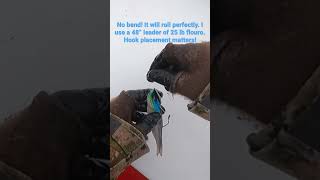
Trolling with downriggers accounts for the majority of blackmouth caught in Puget Sound. The standard setup is simple: a downrigger drops your gear to the fish zone (60-100 ft), and you troll at 1.5-2.5 mph with bait or hardware.
Here's what you need:
The Mooching Setup (Most Fun)
Mooching is the classic Puget Sound technique — drift fishing with herring. You hold the rod, feel the bite, and set the hook yourself. It's more interactive than trolling and works great when fish are concentrated on structure like the Point Defiance clay banks.
The Jigging Setup (Simplest)
No downrigger, no bait, no flasher — just drop a jig to the bottom and work it up. Jigging is the minimalist's approach and it's devastatingly effective around Point Defiance and the Narrows.
The key: fish ONLY during slack tide, and keep your line vertical. If it angles out, your jig isn't fishing.
Where to Go This Spring
Based on current WDFW creel data:
Area 10 (Seattle): Check emergency regulations — Area 10 has had intermittent closures this spring due to catch quotas. When open, Shilshole to Jefferson Head is the hot lane. Launch from Shilshole.
Area 11 (Tacoma): Consistently productive. Point Defiance clay banks are the #1 spot. Jigging and mooching both work here. Launch from Point Defiance Boathouse.
Area 9 (Admiralty Inlet): Less creel data but historically productive in spring. Point No Point and Possession Bar are the classic spots. Launch from Kingston.
FAQ
What's the daily limit for blackmouth in Puget Sound?
2 salmon per person per day. This is a hard limit across all Puget Sound marine areas. Check WDFW emergency regulations before each trip as areas can close when quotas are met.
What size are spring blackmouth?
Typical spring blackmouth run 4-8 lbs, with some fish reaching 10-15 lbs. The minimum size to keep is 22 inches in most areas. Always check the current regulations for your specific area.
Do I need a boat?
For blackmouth, yes — they're typically in 60-120 feet of water, too deep for shore fishing. Several year-round piers (Seacrest Park, Les Davis, Des Moines) allow salmon fishing without a boat, but catch rates are lower than from boats.
What's the best time of day?
First light (dawn to 8 AM) and the last hour before dark are traditionally the best. But tide is more important than time — fish the tide changes. The 2 hours around slack tide usually produce the most bites.